How to Choose the Best Plantation Shutter Louver Size for Your Home
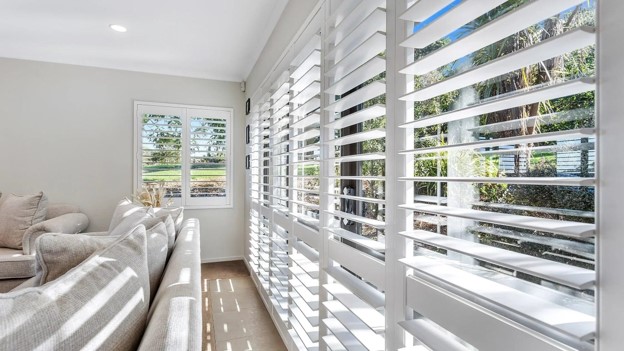
How to Choose the Best Plantation Shutter Louver Size for Your Home
A window can quietly shape the personality of an entire room long before anyone notices the furniture. Plantation shutters are a perfect example, where one seemingly small design choice can dramatically influence light, privacy, and visual appeal. Among those choices, louver size often has the greatest impact.
Many homeowners focus on paint colors or frame styles while overlooking the louvers themselves. Yet the width of each louver changes how much sunlight enters a room, how open the view feels, and how modern or traditional the finished space appears. Selecting the right size creates a balance between function and aesthetics that lasts for years.
The decision becomes even more important because plantation shutters are designed to be a long-term window treatment. According to the U.S. Department of Energy, properly selected interior window coverings can help improve comfort and reduce unwanted heat gain and heat loss, making thoughtful design choices even more valuable. When appearance and performance work together, homeowners enjoy benefits that extend beyond style.
Why Louver Size Matters More Than Many Homeowners Realize
The width of each shutter louver affects far more than appearance. It influences natural lighting, ventilation, visibility, privacy, and even how large a room feels.
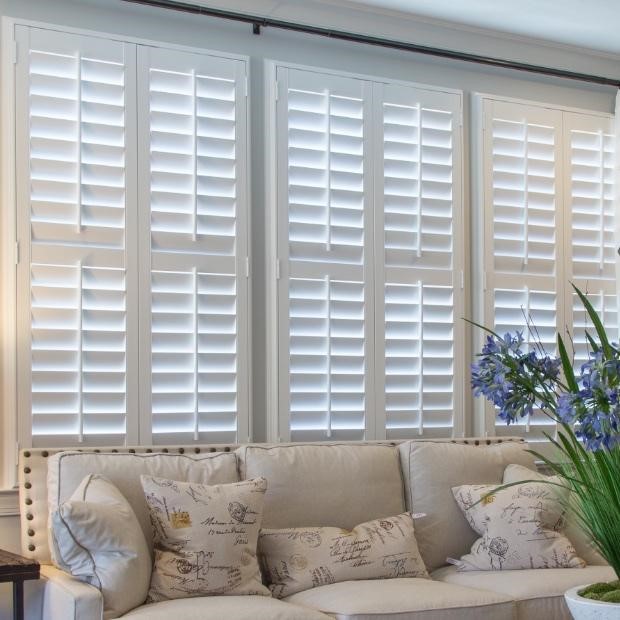
Interior designers often recommend matching architectural details throughout a home. Window treatments are no exception. Larger louvers create broader horizontal lines that complement modern architecture, while smaller louvers introduce more detail that suits traditional interiors.
A survey by the National Association of Realtors consistently finds that natural light ranks among the most desired home features. Since louver size directly affects incoming daylight, selecting the right width can noticeably improve everyday living.
Understanding the Most Common Plantation Shutter Louver Sizes
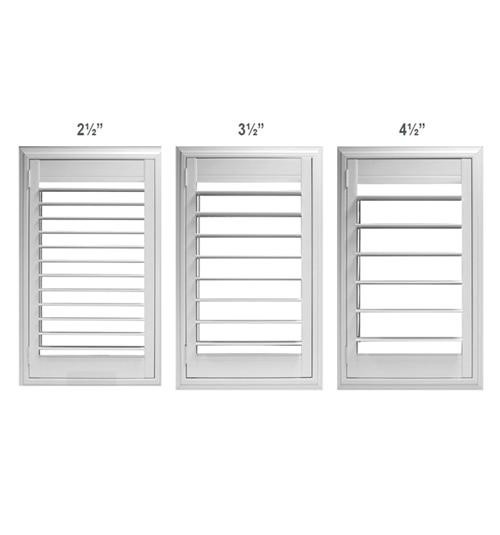
Most manufacturers offer several standard options. While exact measurements vary slightly, these are the most common choices.
- 2½-inch louvers
- Traditional appearance
- Greater privacy with more louvers covering the window
- Excellent for smaller windows
- Complements classic home styles
- 3½-inch louvers
- Balanced appearance
- One of the most versatile sizes
- Suitable for nearly every room
- Provides an excellent combination of light control and visibility
- 4½-inch louvers
- Contemporary look
- Maximizes outdoor views
- Allows more natural light
- Ideal for large windows and open floor plans
Each size serves a different purpose, making personal preferences and home design equally important considerations.
The Relationship Between Window Size and Louver Size
One of the easiest ways to narrow the decision is by considering the dimensions of the window itself.
Small windows often appear more proportional with narrower louvers because the shutter panels maintain visual balance. Oversized louvers on compact windows can sometimes overpower the opening.
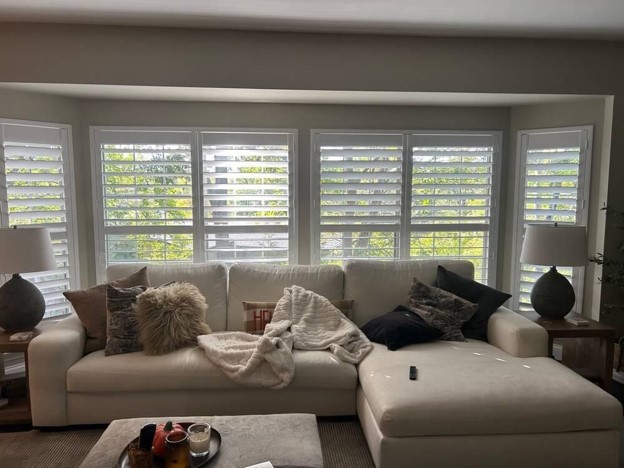
Larger windows, however, benefit from wider louvers. Fewer horizontal slats reduce visual clutter and allow more of the outdoor scenery to remain visible.
A Simple Reference Guide
| Window Size | Recommended Louver Size |
| Small bathroom windows | 2½-inch |
| Standard bedroom windows | 3½-inch |
| Living room picture windows | 3½-inch or 4½-inch |
| Sliding glass doors | 4½-inch |
| Large contemporary windows | 4½-inch |
Although these guidelines work well for many homes, architectural style should always be considered alongside window size.
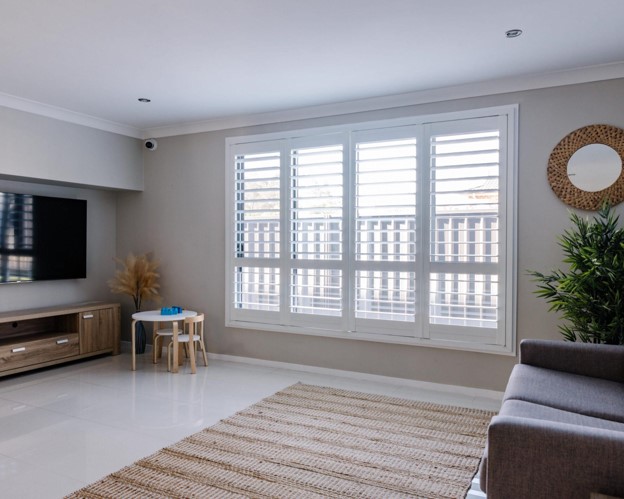
Natural Light Changes with Every Louver Width
Natural light affects mood, productivity, and even energy consumption throughout the year.
Research published by Harvard Health notes that exposure to natural daylight supports healthy circadian rhythms. Choosing shutters that maximize controllable daylight can therefore contribute to a more comfortable indoor environment.
Wider louvers create larger openings when tilted.
Benefits include:
- Increased daylight penetration
- Less obstruction of outdoor views
- Brighter interior spaces
- Greater flexibility when adjusting sunlight
Smaller louvers provide more incremental control because additional slats allow finer adjustments throughout the day.
Privacy and Visibility Require Balance
Transitioning from daylight to evening introduces a new consideration. Privacy becomes increasingly important after sunset.
Homes situated close to neighboring properties often benefit from smaller or medium-sized louvers. The additional slats provide more opportunities to angle the shutters precisely while limiting direct sightlines.
Larger louvers still offer excellent privacy when closed completely. However, partially open positions expose wider openings, making viewing angles slightly less restrictive.
The surrounding landscape also matters. Rural homes with expansive views often prioritize visibility, while suburban neighborhoods may emphasize privacy first.
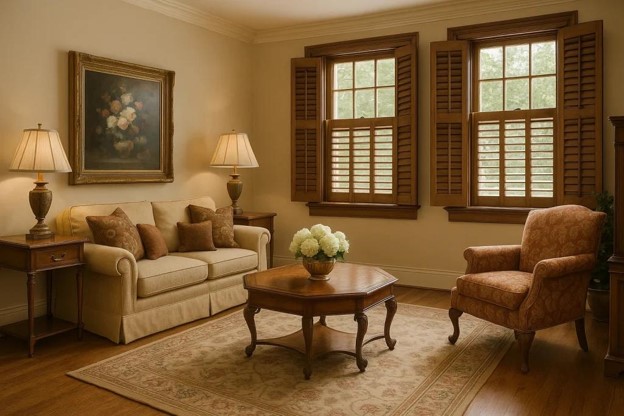
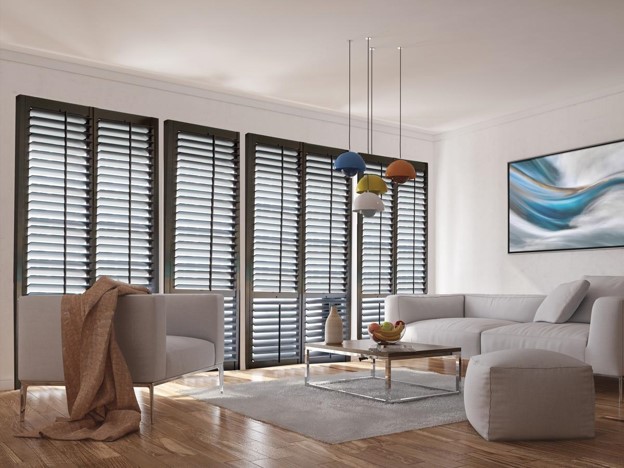
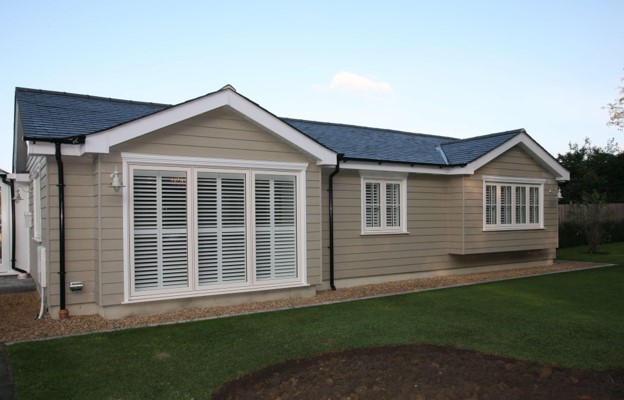
Matching Louver Size to Interior Design Style
Interior design trends continue to favor clean lines and uncluttered spaces. Larger louvers naturally complement this direction.
Modern homes frequently feature:
- Open floor plans
- Large windows
- Minimal decorative trim
- Neutral color palettes
In these settings, wider louvers reinforce the architectural simplicity.
Traditional homes often include:
- Crown molding
- Decorative millwork
- Smaller window openings
- Formal furnishings
Smaller louvers blend comfortably with these classic details without dominating the room.
Meanwhile, transitional homes often find the perfect middle ground with 3½-inch louvers, offering timeless appeal regardless of future decorating changes.
Room Function Should Influence Your Decision
Different rooms place different demands on window coverings.
Bedrooms often benefit from flexible light control during early mornings. Home offices may prioritize glare reduction for computer screens. Kitchens frequently need abundant natural light, while bathrooms emphasize privacy above everything else.
Rather than selecting one size solely because it looks attractive, consider how each room functions every day. A practical choice usually becomes the most satisfying long-term investment.
Popular Room Pairings
| Room | Frequently Selected Louver Size |
| Kitchen | 3½-inch |
| Bathroom | 2½-inch or 3½-inch |
| Bedroom | 3½-inch |
| Living Room | 4½-inch |
| Dining Room | 3½-inch |
| Office | 3½-inch |
Cleaning and Maintenance Stay Surprisingly Similar
Some homeowners assume wider louvers are significantly easier to clean. While there is some truth to this, the difference is often smaller than expected.
Larger louvers require fewer individual surfaces to dust because fewer slats cover the window. A microfiber cloth or vacuum brush attachment usually removes accumulated dust quickly.
Smaller louvers simply require slightly more passes during routine cleaning. Fortunately, plantation shutters remain among the easiest window treatments to maintain compared with fabric draperies or layered blinds.
Regular dusting every few weeks helps preserve their appearance regardless of louver width.
Avoiding Common Mistakes When Choosing Louvers
Many homeowners focus exclusively on appearance while overlooking daily functionality.
Some of the most common mistakes include:
- Choosing oversized louvers for very small windows
- Ignoring room lighting needs
- Selecting based only on current decorating trends
- Forgetting exterior curb appeal
- Mixing multiple louver sizes without a consistent design plan
Considering each of these factors together leads to a more balanced decision that continues to look appropriate for many years.
Finding the Right Balance for Your Home
No single plantation shutter louver size works perfectly for every home. The ideal choice depends on window dimensions, architectural style, desired privacy, lighting preferences, and everyday use. When these elements align, shutters become both a functional feature and a lasting design statement.
The best decisions often come from evaluating how each room feels rather than following trends alone. Wider louvers create openness, while narrower louvers provide traditional character and precise light control. Which louver size best matches the way you want your home to look and feel?
Some blogs are written by authorized members of our marketing team for marketing purposes only. Some content may not correctly depict product specifications and may vary depending on the product. For more information, please call our sales office.