2026 Window Covering Color Trends: Best Shutter & Blind Shades
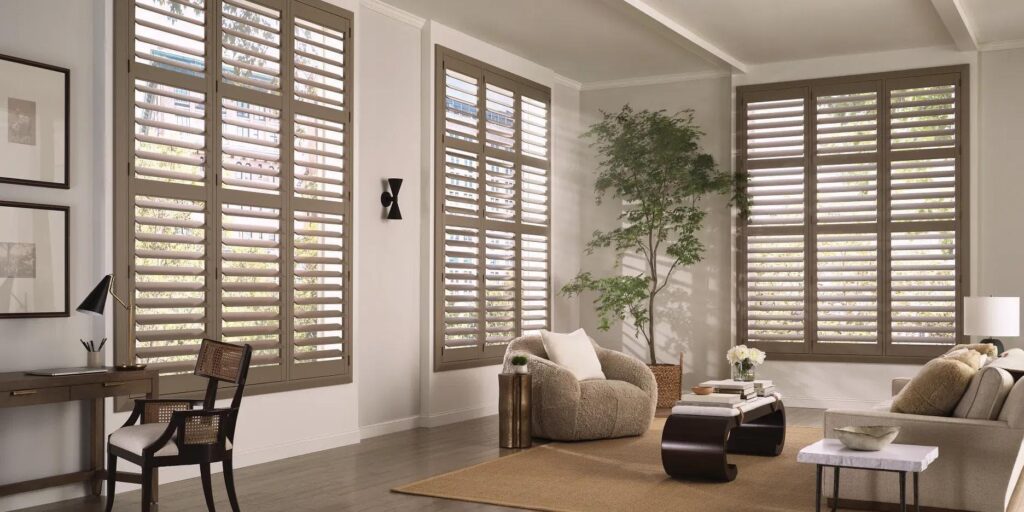
2026 Window Covering Color Trends: Best Shutter & Blind Shades
The colors we choose for our homes often reveal more than our decorating style—they reflect how we want a space to feel. As design preferences continue to evolve, window coverings are becoming an increasingly important part of a room’s overall color palette rather than simply a functional addition.
Homeowners are paying closer attention to how shutters and blinds complement flooring, cabinetry, furniture, and wall colors. According to recent interior design industry reports, neutral and nature-inspired color palettes continue to dominate residential design, with over 60% of homeowners favoring calming, timeless tones over bold statement colors.
As 2026 approaches, several exciting color trends are emerging for shutters and blinds. Some focus on creating warmth and comfort, while others emphasize modern sophistication or stronger connections to nature. Understanding these trends can help homeowners make choices that look stylish today while remaining relevant for years to come.
Why Color Matters More Than Ever for Window Treatments
Window coverings occupy a significant visual area in most rooms. Unlike decorative accessories that can be replaced easily, shutters and blinds are often long-term investments that remain in place for many years.
Design professionals increasingly view window treatments as architectural elements rather than decorative afterthoughts. Industry surveys show that cohesive color coordination can increase perceived home value and improve overall satisfaction with interior renovations.
The right color can:
- Make a room feel larger
- Add warmth and comfort
- Enhance natural lighting
- Create visual balance
- Support current and future design trends
Because of these benefits, color selection has become one of the most important decisions when purchasing shutters or blinds.
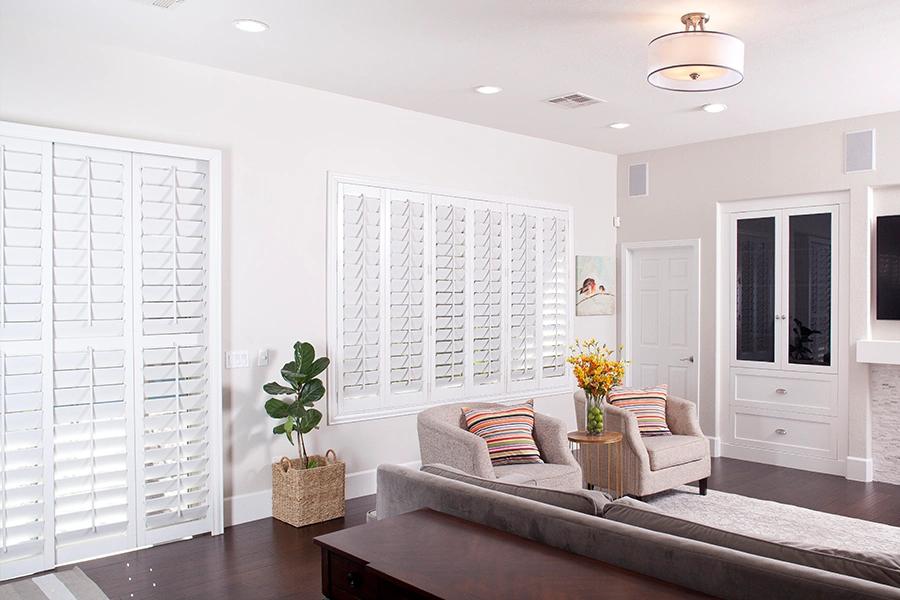
Warm Whites Continue Their Reign
For years, bright white shutters dominated the market. In 2026, however, warmer whites are expected to take center stage.
Instead of stark, cool whites, homeowners are gravitating toward softer shades that contain subtle cream, ivory, or beige undertones. These colors create a welcoming atmosphere while maintaining the clean appearance many buyers desire.
Why Warm Whites Are Popular
Warm white window coverings work particularly well because they:
- Pair easily with modern and traditional interiors
- Complement wood flooring
- Reflect natural light beautifully
- Create a softer visual appearance
Interior design research continues to show that white and off-white palettes remain among the most requested finishes for custom window treatments across North America.
Earthy Greige Becomes a Designer Favorite
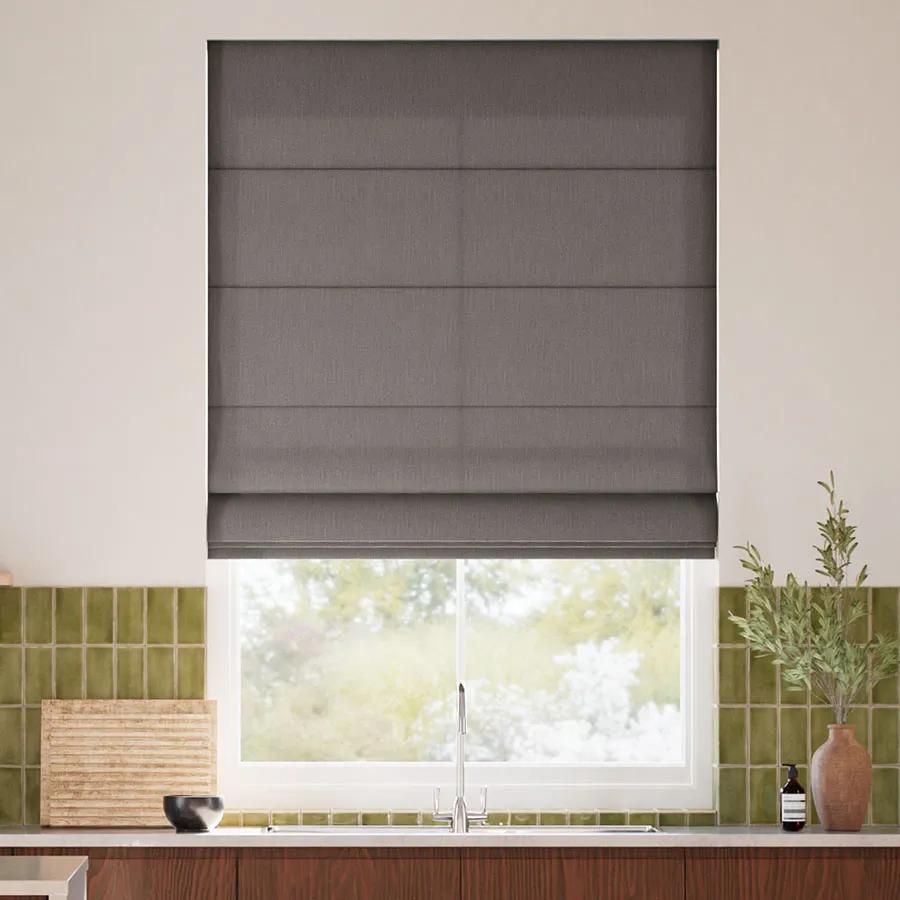
One of the fastest-growing color trends heading into 2026 is greige—a blend of gray and beige.
Greige offers the versatility of gray while introducing warmth that many homeowners felt was missing from cooler color schemes popular in previous years. This balanced tone works exceptionally well in open-concept homes where consistency is important.
Designers frequently recommend greige shutters and blinds because they adapt easily to changing furniture styles and paint colors.
Best Rooms for Greige Window Coverings
Greige performs especially well in:
- Living rooms
- Dining areas
- Home offices
- Primary bedrooms
Its neutral nature allows it to blend seamlessly without appearing bland or overly trendy.
Natural Wood Tones Make a Strong Return
As homeowners seek stronger connections to nature, authentic wood tones are becoming increasingly desirable.
Natural finishes provide warmth, texture, and visual depth that painted surfaces cannot always achieve. Industry data indicates that searches related to natural wood interiors have increased significantly over the past several years as biophilic design continues to gain popularity.
Whether light oak, medium walnut, or soft maple finishes, wood-inspired colors are expected to remain influential throughout 2026.
Popular Wood-Inspired Shades
Several wood tones are standing out among designers:
| Wood Tone | Style Effect |
| Light Oak | Scandinavian and modern |
| Natural Maple | Bright and casual |
| Warm Walnut | Rich and sophisticated |
| Honey Wood | Comfortable and inviting |
| Whitewashed Wood | Coastal and transitional |
Soft Sage Green Adds a Touch of Nature
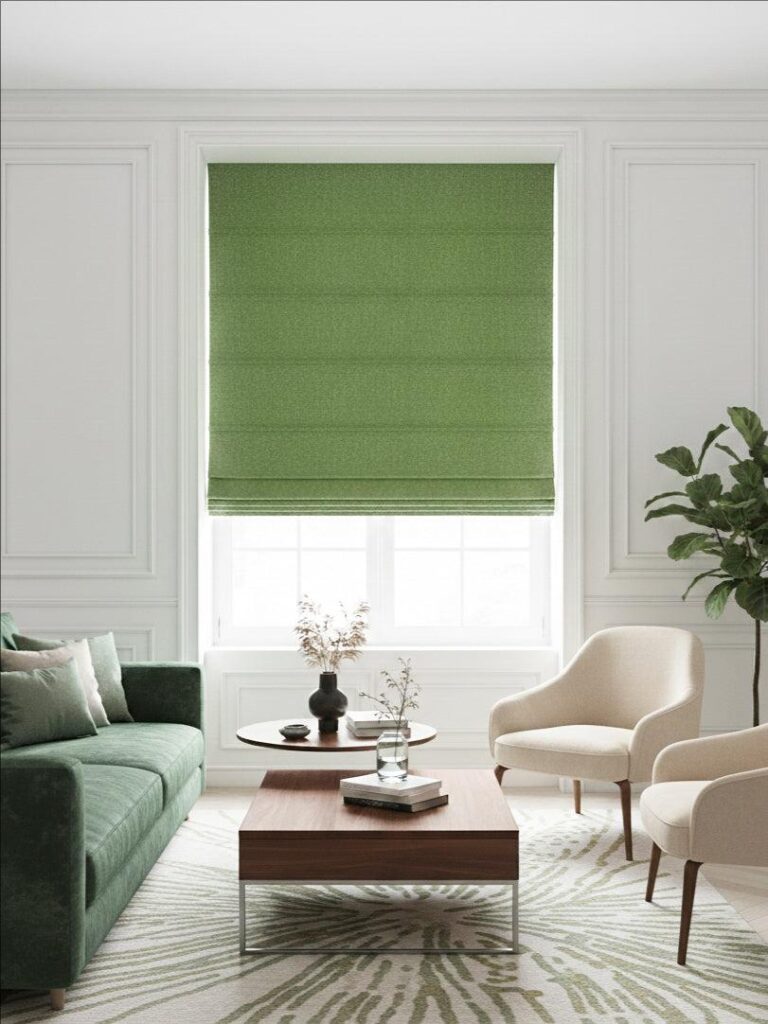
Green continues to influence interior design, though the trend is shifting toward softer, more muted shades.
Sage green offers enough color to create visual interest without overwhelming a room. Designers often describe it as a neutral because of how easily it coordinates with wood, stone, and natural textiles.
Recent design studies suggest that green hues are associated with feelings of calmness and relaxation, making them particularly appealing in residential settings.
Where Sage Works Best
Sage-colored window treatments can enhance:
- Bedrooms
- Bathrooms
- Sunrooms
- Reading spaces
The color pairs beautifully with warm whites, natural woods, and earth-toned furnishings.
Deep Charcoal Creates Modern Contrast
While lighter colors dominate many homes, dark tones remain relevant for contemporary spaces.
Charcoal shutters and blinds create dramatic contrast against light walls and can help establish a sophisticated, high-end appearance. In homes featuring black hardware, dark-framed windows, or industrial-inspired design elements, charcoal window coverings often feel especially intentional.
Rather than using pure black, many designers prefer charcoal because it introduces depth without making a room feel harsh.
Key Advantages of Charcoal
A darker color palette can:
- Highlight architectural details
- Add visual drama
- Coordinate with modern finishes
- Create striking contrast
When balanced properly with natural light, charcoal can feel elegant rather than overwhelming.
The Rise of Clay and Terracotta Influences
Warm earth-inspired colors continue gaining momentum throughout interior design.
Clay, terracotta, and muted rust tones reflect the growing popularity of Mediterranean, Southwestern, and organic-modern aesthetics. These colors introduce warmth while remaining connected to natural materials and landscapes.
Although these shades are less common than neutrals, they are increasingly being incorporated through accent blinds, woven shades, and complementary decorative window treatments.
How to Choose a Color That Lasts
Trends can provide inspiration, but long-term satisfaction often comes from selecting colors that complement a home’s permanent features.
Before making a final decision, consider:
- Flooring color
- Cabinet finishes
- Wall paint
- Natural lighting conditions
- Future remodeling plans
Many interior designers recommend choosing a timeless foundation color first and incorporating trendier shades through smaller decorative elements.
This strategy allows window coverings to remain visually relevant even as design preferences evolve.
Looking Ahead: The Colors Defining 2026 Homes
The color trends emerging for 2026 reveal a clear shift toward warmth, comfort, and natural inspiration. Warm whites, greige tones, wood finishes, sage greens, and earthy hues all reflect a desire for interiors that feel inviting and connected to the outdoors.
At the same time, darker shades such as charcoal continue offering sophisticated contrast for contemporary spaces. The most successful choices will balance current trends with the home’s existing architecture and personal style preferences.
Rather than chasing every new design movement, homeowners often achieve the best results by selecting colors that create lasting comfort and visual harmony. As these 2026 trends continue to evolve, which color palette best reflects the atmosphere you want your home to create?