How Plantation Shutters Can Cut Energy Bills Year-Round
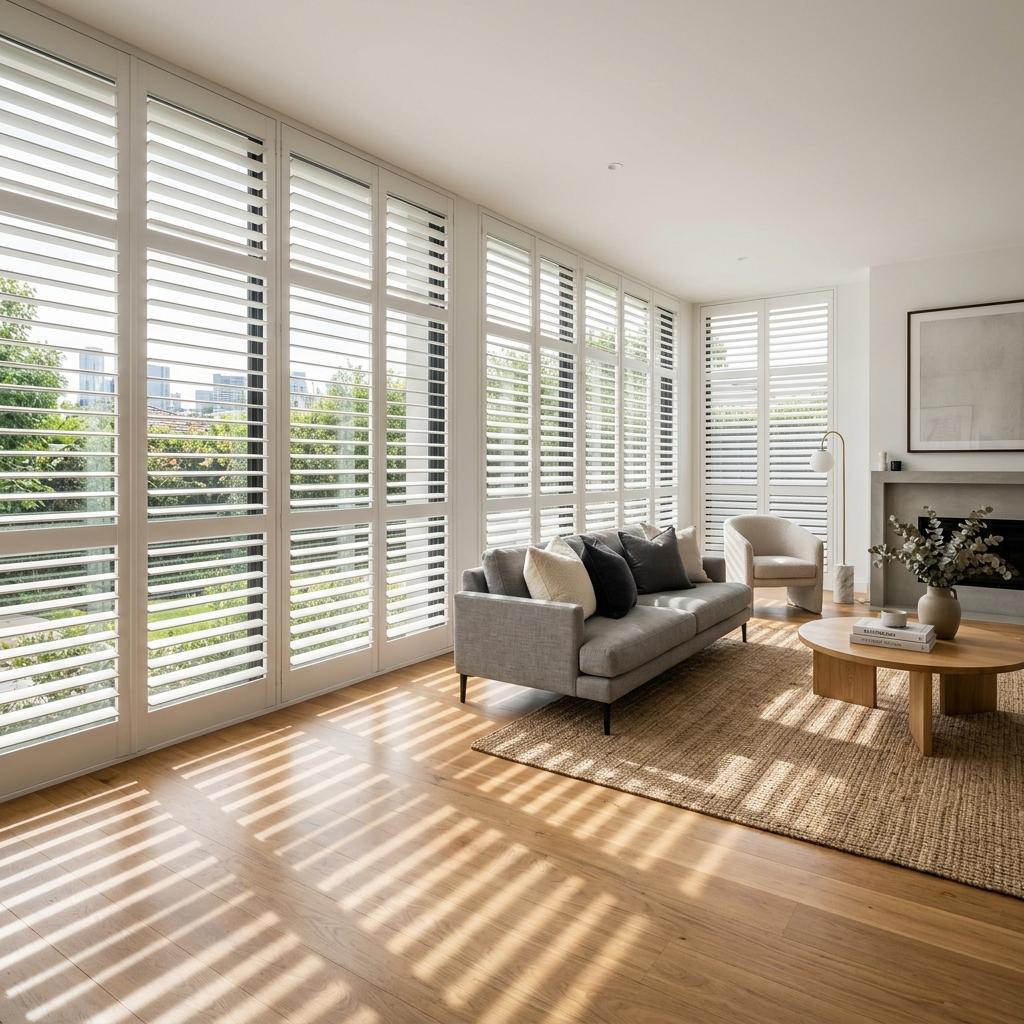
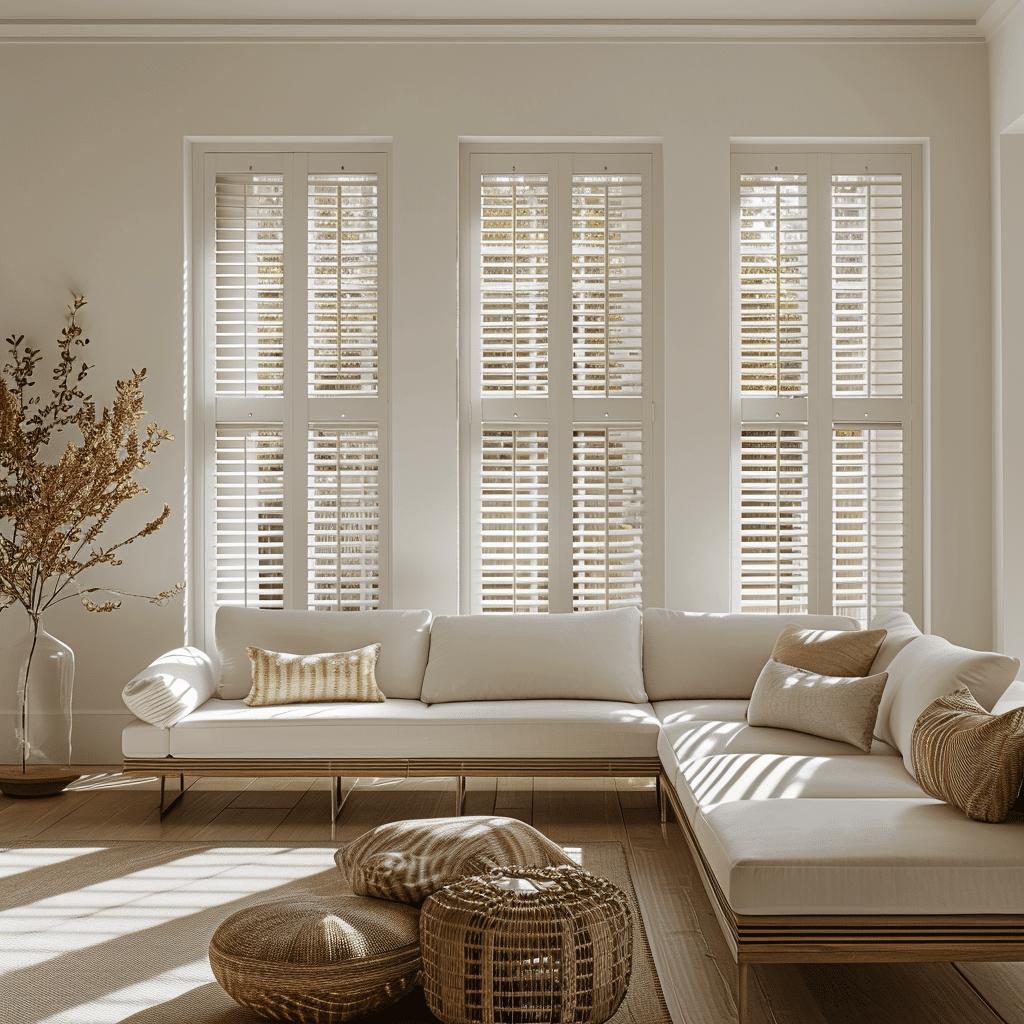
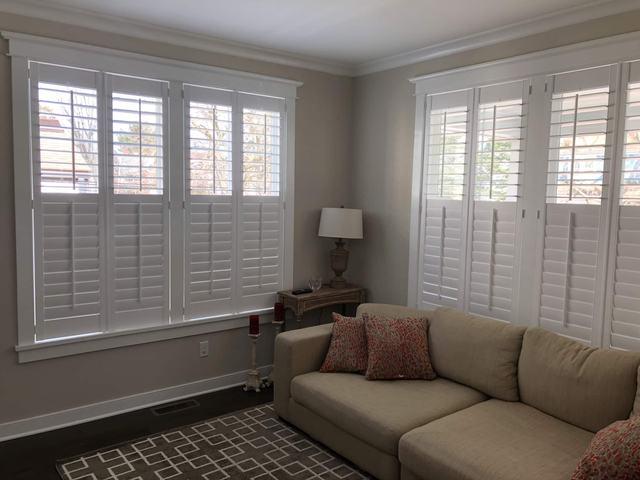
A window can be one of the biggest energy troublemakers in a home, even when everything else is working perfectly. Glass welcomes sunlight, releases indoor heat, and can create uncomfortable temperature swings throughout the day. Plantation shutters offer a practical way to control what happens at the window without relying entirely on your heating or cooling system.
The U.S. Department of Energy estimates that heat gain and heat loss through windows account for 25% to 30% of residential heating and cooling energy use. (The Department of Energy’s Energy.gov) That makes window management an important part of improving household energy efficiency. While plantation shutters are not a replacement for efficient windows, they can provide another layer of control between the glass and your living space.
The biggest advantage comes from controlling sunlight, airflow around the window area, and the amount of heat entering or leaving a room. Their adjustable louvers allow homeowners to respond to changing conditions throughout the day. Used thoughtfully, plantation shutters can make rooms feel more comfortable while potentially reducing how hard the HVAC system needs to work.
Why Windows Matter So Much to Your Energy Bill
Windows are more than a source of natural light and outdoor views. They are part of the building envelope, and their performance directly affects how much heating and cooling a home requires.
According to the Department of Energy, windows are responsible for about 10% of energy use in buildings and influence building energy uses that account for roughly 40% of total building energy consumption. (The Department of Energy’s Energy.gov) In residential homes, the impact can be particularly noticeable when large windows, sliding glass doors, older glass, or windows with significant sun exposure are involved.
During summer, sunlight passing through glass can raise indoor temperatures. Your air conditioner then has to remove that additional heat. During winter, the process can reverse, with heat escaping through the window and forcing the heating system to operate longer.
Plantation shutters cannot change the thermal characteristics of the glass itself. However, they can change how much sunlight reaches the glass and how much solar energy enters the room.
Summer Heat Gain Is a Major Consideration
Summer energy efficiency often comes down to keeping unwanted solar heat outside the living space.
The Department of Energy identifies the solar heat gain coefficient, or SHGC, as an important measurement of how much solar radiation passes through a window. Lower SHGC values generally mean less solar heat enters the home. (The Department of Energy’s Energy.gov)
Interior window coverings can help control unwanted solar heat gain. Plantation shutters accomplish this through their adjustable louvers, which can be positioned to reduce direct sunlight while still allowing some daylight into the room.
This can be particularly useful for windows facing strong afternoon sunlight. Closing the louvers during the hottest part of the day may reduce the amount of solar energy entering the room, helping maintain a more comfortable temperature.
How Plantation Shutters Help Control Solar Heat
One of the simplest energy-saving strategies is also one of the easiest to overlook: controlling the sun before it overheats a room.
Plantation shutters give homeowners the ability to adjust louvers throughout the day. Instead of choosing between completely open and completely closed window coverings, the louvers can be positioned according to the sun’s angle.
For example, homeowners might:
- Close the louvers during intense afternoon sunlight.
- Tilt louvers upward or downward to reduce direct glare.
- Open the louvers when sunlight is desirable during cooler periods.
- Keep shutters closed on particularly hot days.
- Adjust individual rooms according to their exposure and temperature.
This type of control can be especially useful in rooms with large windows. A living room with west-facing glass may behave very differently from a bedroom facing north.
Direction Matters More Than Many Homeowners Realize
The orientation of a window can influence how much solar heat it receives.
East-facing windows typically experience stronger morning sunlight, while west-facing windows can receive intense afternoon exposure. South-facing windows can receive substantial sunlight depending on location, season, roof overhangs, and surrounding structures.
That means there is no single shutter position that works perfectly throughout the entire day.
Instead, energy-conscious operation means adjusting the louvers as outdoor conditions change. The goal is not necessarily to keep every shutter closed all day. It is to manage sunlight when it becomes a source of unwanted heat.
What Happens During the Winter?
Energy efficiency is not only about keeping heat outside during summer. During colder months, homeowners generally want to retain as much indoor heat as practical.
Windows can become areas where heat is lost, particularly when the glazing or surrounding components are less efficient. The Department of Energy notes that heat transfer through windows depends partly on the temperature difference between indoors and outdoors and the window’s U-factor. Lower U-factors indicate less heat flow through the window. (The Department of Energy’s Energy.gov)
Plantation shutters can provide an additional interior barrier in front of the glass. When closed, they create a space between the shutter and window that separates the room from the cold window surface.
The actual thermal benefit varies considerably based on the window, shutter construction, installation, climate, and how the shutters are operated. Therefore, it would be misleading to promise a specific percentage reduction in heating costs from plantation shutters alone.
Plantation Shutters and Indoor Comfort Go Hand in Hand
A lower energy bill is useful, but comfort is often the benefit homeowners notice first.
A room can technically be at the same thermostat setting as the rest of the house while still feeling warmer or colder because of nearby windows. Direct sunlight can make furniture and flooring feel hot, while cold glass can make a nearby seating area feel chilly during winter.
Plantation shutters give occupants another way to manage those temperature differences.
Rather than immediately changing the thermostat, homeowners can adjust the window covering first. That small change may reduce glare, alter the amount of sunlight entering the room, and make the space feel more comfortable.
This can also help prevent the common cycle of constantly adjusting the thermostat because one particular room feels too warm or too cold.
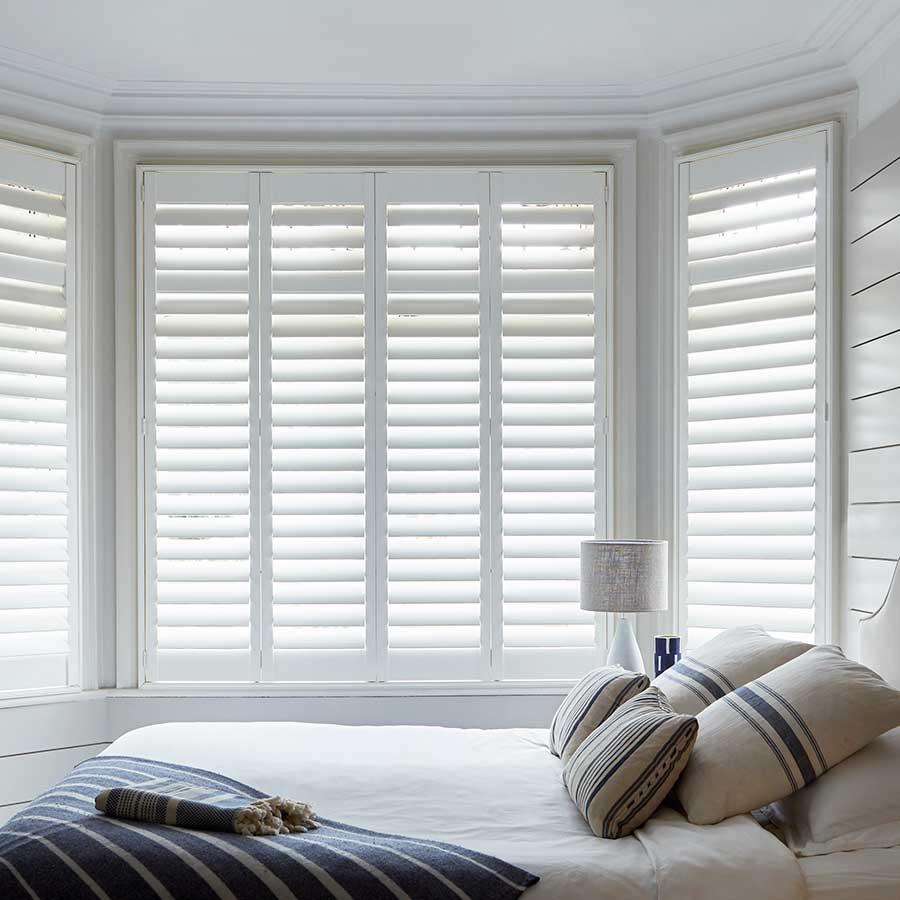
Why Louver Position Makes a Difference
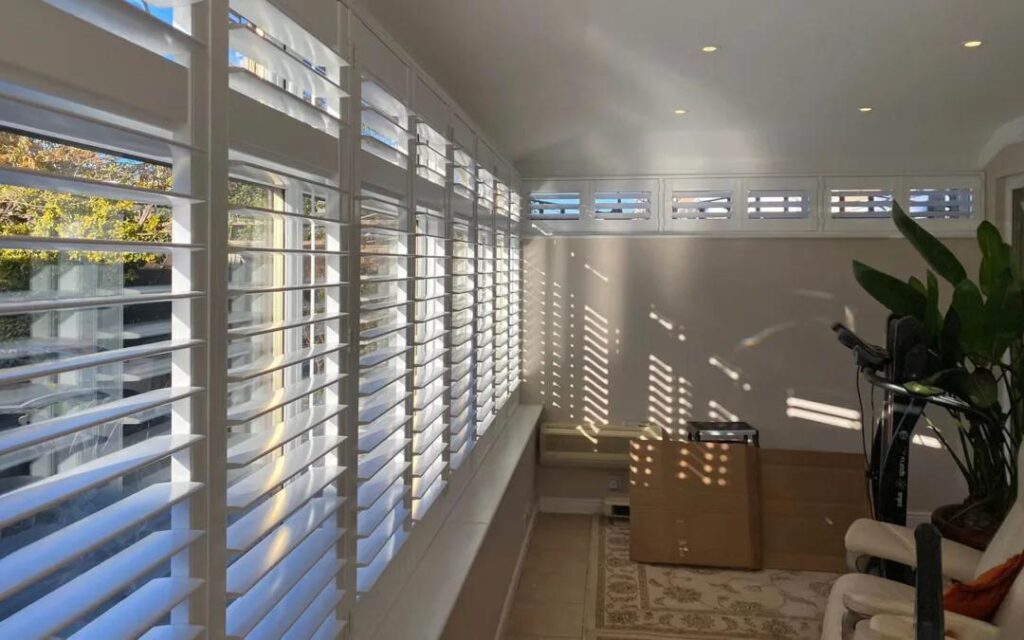
The ability to change louver position is one of the most useful features of plantation shutters from an energy-management perspective.
When louvers are opened fully, sunlight can enter with relatively little obstruction. As the louvers close, the shutter becomes a more substantial visual and solar barrier.
The ideal position depends on the season, time of day, window direction, and desired amount of daylight.
A practical daily routine might look like this:
Morning: Open shutters where natural sunlight is welcome and indoor temperatures are comfortable.
Midday: Adjust the louvers as sunlight becomes stronger, particularly on south- and west-facing windows.
Afternoon: Close or angle the louvers more aggressively if the room begins absorbing significant solar heat.
Evening: Open the shutters again when outdoor temperatures become more comfortable and solar exposure decreases.
This approach treats window coverings as an active part of home energy management rather than simply a decorative feature.
Not All Window Coverings Perform the Same Way
It is important to avoid treating every type of window covering as equally effective for energy efficiency.
The Department of Energy has researched window attachments extensively because blinds, shades, shutters, curtains, and other coverings can affect building energy performance. (The Department of Energy’s Energy.gov)
For example, DOE research has found that well-fitted cellular shades can reduce household annual HVAC energy use by about 15% compared with vinyl blinds. (The Department of Energy’s Energy.gov) That figure applies specifically to the studied window attachment technology and should not be presented as a savings estimate for plantation shutters.
This distinction matters because energy performance depends on construction, fit, climate, window characteristics, and operating habits.
Plantation shutters have a different design from cellular shades. Their strongest practical advantage is precise control over sunlight, privacy, glare, and the amount of exposure between the room and window.
Your Windows and Climate Change the Equation
There is no universal energy-saving percentage that applies to every home.
The Department of Energy emphasizes that window energy performance varies according to climate. Strategies that work well in a cooling-dominated climate can differ from those that make sense in a heating-dominated region. (The Department of Energy’s Energy.gov)
Consider two homes with identical plantation shutters.
One may be located in a hot climate with long cooling seasons and strong afternoon sunlight. The other may be in a colder region where winter heat loss is the primary concern.
The homeowners may use the same shutters differently because their energy priorities are different.
Other factors include:
- Window size and glass type.
- Number of glass panes.
- Window orientation.
- Local climate.
- Exterior shading.
- Roof overhangs.
- Existing insulation.
- Air leakage around windows.
- HVAC efficiency.
- Daily shutter operation.
For this reason, plantation shutters should be viewed as one component of an overall energy-efficiency strategy.
Combine Window Coverings With Other Efficiency Improvements
Plantation shutters can work best when combined with improvements that address other sources of energy loss.
A homeowner considering energy efficiency should look beyond the window treatment itself. Sealing air leaks, improving insulation, maintaining HVAC equipment, and selecting efficient windows can all contribute to reducing energy consumption.
The Department of Energy also points out that proper installation and minimizing air infiltration around windows can improve comfort and energy performance. (The Department of Energy’s Energy.gov)
Think of the home as a system. If a window covering blocks sunlight but conditioned air is escaping around the window frame, some efficiency is still being lost. Likewise, highly efficient windows cannot prevent every room from overheating if intense sunlight enters unchecked.
The best results usually come from addressing several factors together.
Small Changes Can Add Up
Energy efficiency does not always require one dramatic renovation.
Changing how window coverings are operated can be a relatively simple behavioral adjustment. Closing shutters before a room becomes extremely hot may be more useful than waiting until the temperature has already risen substantially.
Likewise, opening shutters during cooler periods can allow useful daylight into the home without relying as heavily on artificial lighting.
The Department of Energy specifically notes that properly used interior shades and blinds can reduce unwanted solar heat gain while helping maximize daylight. (The Department of Energy’s Energy.gov)
That makes daily operation an important part of getting the most value from any window covering.
Plantation Shutters Can Also Reduce Glare and Protect Interiors
Energy efficiency is only one piece of the picture.
Direct sunlight can create glare on televisions, computer screens, kitchen surfaces, and other reflective areas. It can also contribute to fading of flooring, furniture, artwork, and fabrics over time.
Adjustable shutters allow homeowners to reduce direct sunlight without necessarily making the room completely dark.
That creates a useful middle ground. Instead of choosing between intense sunlight and a completely closed window covering, louvers can be positioned to filter the light entering the space.
The result can be a more comfortable room that requires fewer compromises between daylight, privacy, and solar control.
A Smarter Way to Think About Energy Savings
The most important point is that plantation shutters do not generate energy savings by themselves. They influence the amount of sunlight and heat interacting with the room, which can change the workload placed on heating and cooling equipment.
That distinction is important when evaluating claims about energy-efficient window coverings.
There is also no guarantee that installing shutters will produce a specific dollar amount of savings. A home with efficient low-E windows, excellent insulation, and substantial exterior shading may see a smaller incremental benefit than an older home with significant solar exposure.
Still, controlling the window environment can be meaningful because windows represent such an important part of a home’s energy performance.
When Better Window Control Makes a Bigger Difference
Some rooms are especially well suited to using plantation shutters as part of an energy-conscious strategy.
Rooms with large areas of glass can experience noticeable temperature changes because more sunlight enters the space. Similarly, rooms with strong afternoon exposure may become uncomfortable during summer.
Bedrooms can also benefit from improved light control, while home offices may benefit from reduced glare. Living rooms with expansive windows can benefit from having more precise control over sunlight throughout the day.
The key is identifying which windows contribute most to unwanted heat gain or heat loss.
Rather than treating every window identically, pay attention to the rooms that become uncomfortable first. Those windows may offer the greatest opportunity for improvement.
A More Comfortable Home Starts at the Window
Plantation shutters can contribute to energy efficiency by giving homeowners greater control over one of the most influential parts of the home’s envelope. They can limit direct sunlight, reduce glare, and provide an additional interior layer in front of the glass. Their effectiveness depends on the home’s windows, climate, orientation, installation, and daily operation.
The broader lesson is simple: energy efficiency is often about managing small sources of heat gain and heat loss before they become larger problems. If windows influence up to 25% to 30% of residential heating and cooling energy use, could better control at the glass be one of the easiest places to start? (The Department of Energy’s Energy.gov) Some blogs are written by authorized members of our marketing team for marketing purposes only. Some content may not correctly depict product specifications and may vary depending on the product. For more information, please call our sales office.