Bright Yet Private: Window Treatments That Let Sunshine In While Keeping Peepers Out
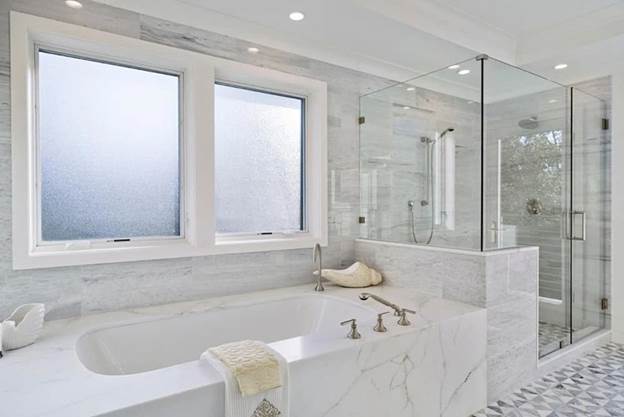
Light streaming through your windows makes any room feel brighter, more spacious, and more alive—but when that sunlight also brings unwanted visibility into your home, it’s a mixed blessing. Striking the balance between natural light and privacy may feel like a compromise, but in fact you don’t have to choose between one or the other. With the right window treatments, you can have both.
Many homeowners worry that enhancing privacy means shutting out daylight entirely—but studies show that well-designed treatments can filter and diffuse light rather than block it entirely. According to the U.S. Department of Energy, standard double-pane windows allow about 76 % of sunlight to enter, which means treatment decisions also affect heat gain and energy use.
In this article you’ll explore a selection of smart window-treatment options that maintain a bright ambiance while obscuring sightlines into your space. From sheer fabrics to layered systems, the choices are plenty and practical—so let’s shine a light on them.
Understanding Light-Filtering vs. Privacy Levels
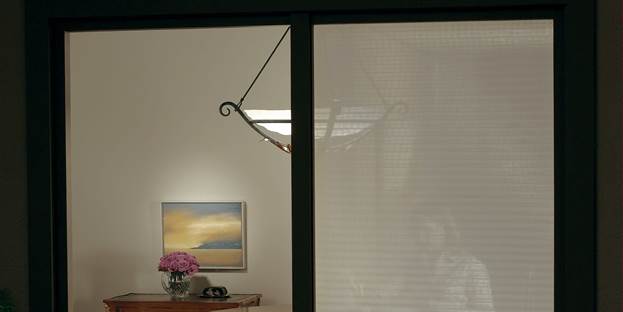
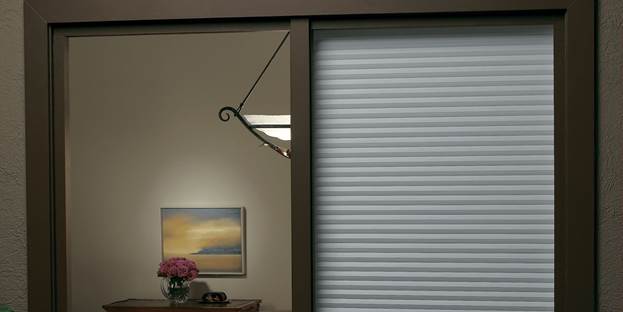
Before selecting treatments, it’s helpful to grasp two key concepts: light filtering / opacity and privacy visibility.
- Opacity refers to how much light passes through a fabric: sheer fabrics allow most light in but offer minimal privacy; opaque fabrics block light and provide high privacy.
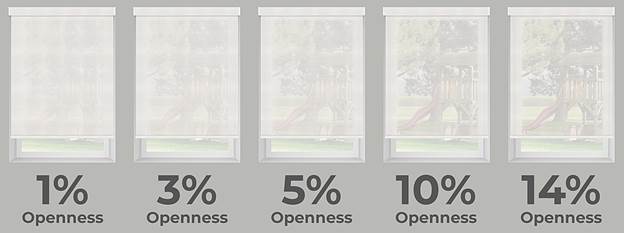
- With solar screen fabrics, the “openness factor” gives a numerical indication of visibility from the outside. For example, a 1 % openness screen provides maximum light control and privacy, while 10 % allows far more visibility.
Here’s a quick practical breakdown:
- Sheer / Semi-sheer fabrics: Plenty of daylight, minimal privacy.
- Light filtering / Semi-opaque fabrics: Good light, moderate privacy.
- Opaque / Room-darkening fabrics: High privacy, less daylight when closed.
- Solar screens at 1-3 % openness: Daytime view outward, limited view inward; note: this effect changes at night.
Understanding where your room sits on this spectrum helps you pick something that fits both your lighting and privacy needs.
Light-Filtering Shades: Soft Glow, Subtle Shield
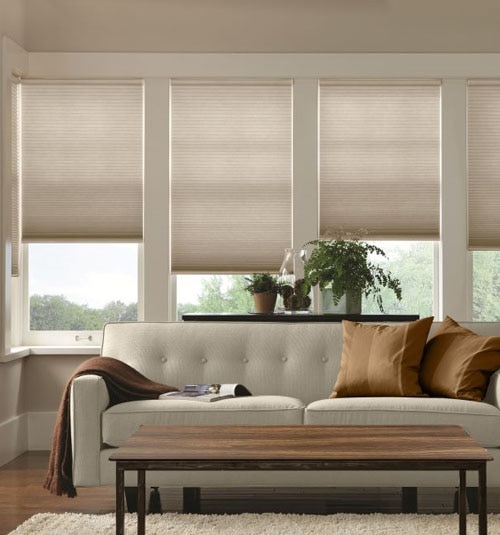
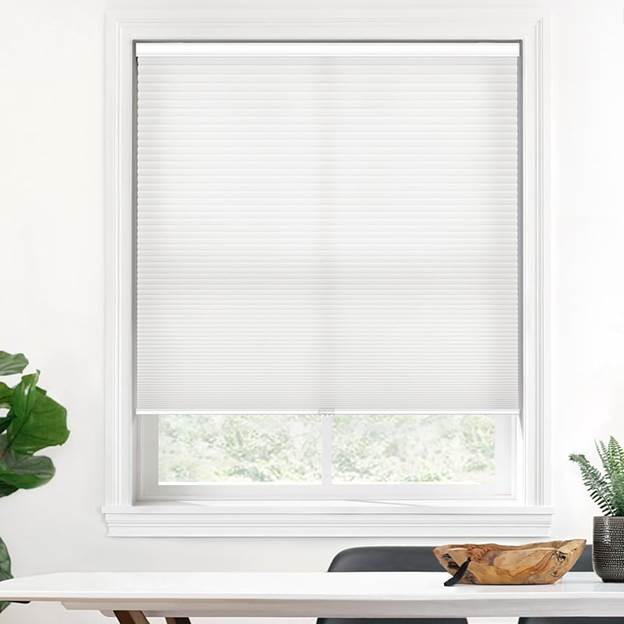
When you want your space to remain bright and airy, light‐filtering shades are a smart choice. These fabrics gently diffuse daylight, reduce glare, and maintain some level of outside visibility while obscuring interior detail from the street view. For example, cellular (honeycomb) shades not only filter light but provide added insulation thanks to their structure.
In rooms where full blackout isn’t needed—but you’d appreciate reduced visibility from neighbors—light‐filtering treatments strike that sweet spot. And because they allow daylight in, you still enjoy natural light’s benefits: improved mood, better spatial feel, and reduced need for artificial lighting.
Key features to look for:
- Fabric labeled “light-filtering” or “semi-opaque” rather than sheer
- Top-down/bottom-up mechanisms (so the top can be open for light, bottom closed for privacy)
- Placement that minimizes light gaps around the edges
Solar Shades & Screen Fabrics: Visibility Control with Daylight
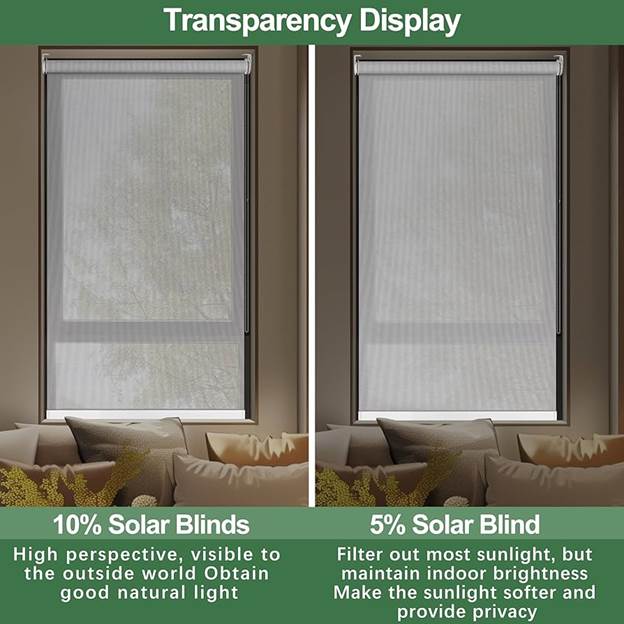
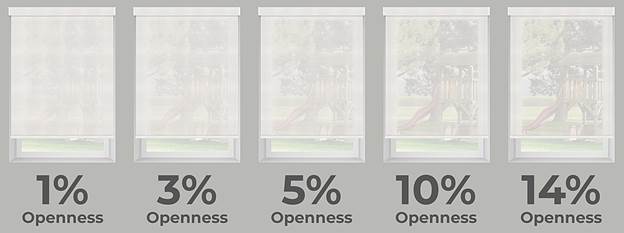
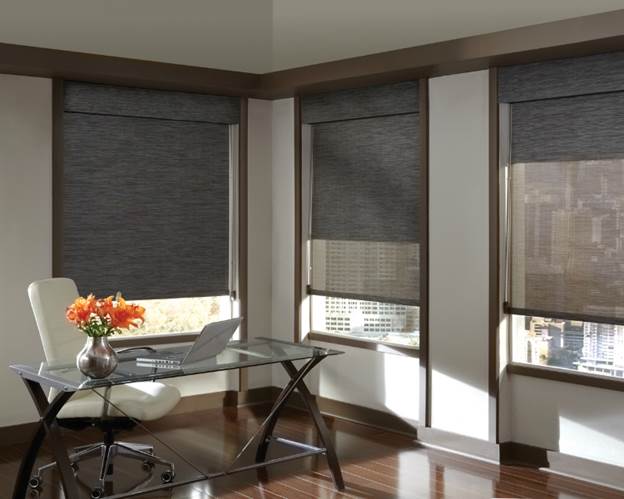
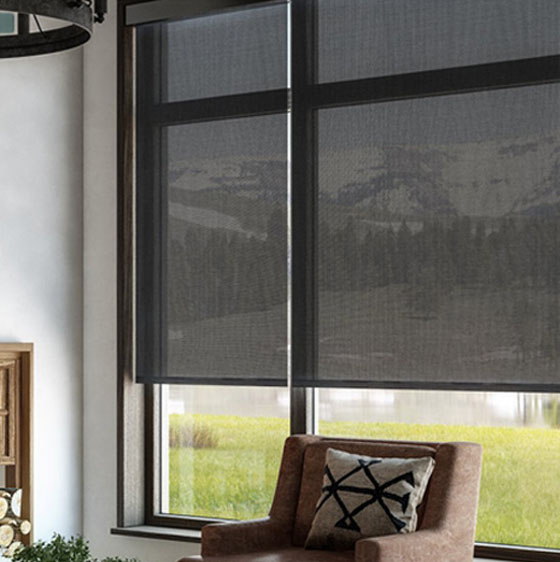
If your room faces a street or public area and you’d like to reduce visibility from outside while still letting in brightness, solar shades are especially compelling. They are designed to reduce glare, block UV rays, and preserve a view outward while diffusing the light coming in.
One important point: solar fabrics often cannot preserve full privacy at night, when room lights are on and the outside is darker—it reverses the visibility.
To maximize the effect:
- Choose a low openness percentage (e.g., 1 %–3 %) for stronger privacy during the day.
- Consider layered treatments for night privacy (see next section)
- Match fabric color: darker fabrics enhance external view clarity, while lighter fabrics may offer greater privacy but less outward clarity.
Solar shades are a strong match for large windows, patios, or high-visibility rooms where you want daylight but less exposure.
Layering Treatments: Flexible Day-to-Night Control
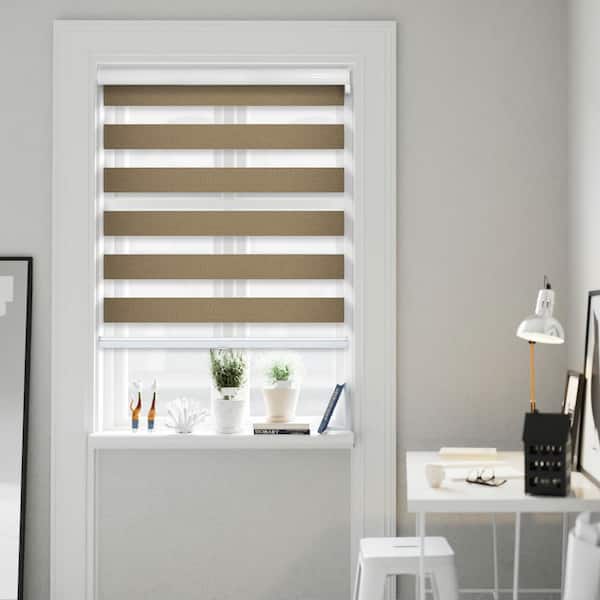
One of the most versatile strategies for preserving daylight while ensuring privacy is layering. By combining two treatments—such as a sheer filter plus a heavier privacy layer—you can adjust the look and function based on time of day or room activity. For instance:
- Use sheer shades during the day for soft light and modest privacy
- Drop a blackout or opaque curtain at night when lights are on indoors
- Opt for dual‐layer “zebra” or “dual-roller” styles that switch between sheer and solid with one mechanism
- Shutters & Slatted Treatments: Precision Light and Privacy Control
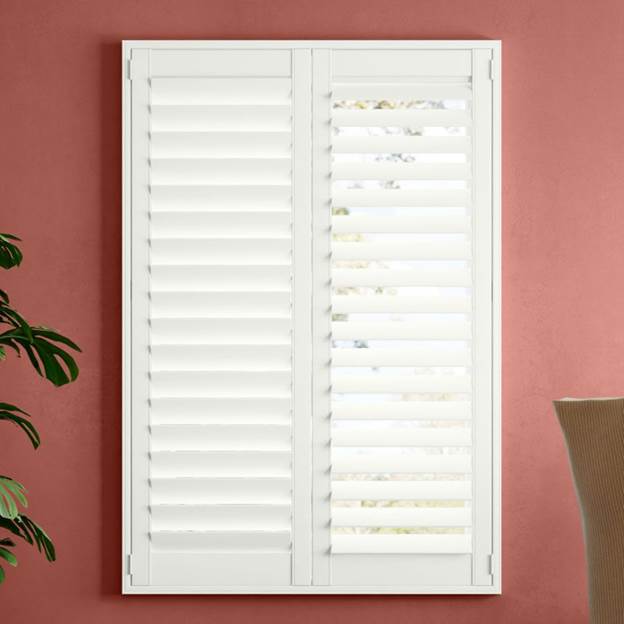
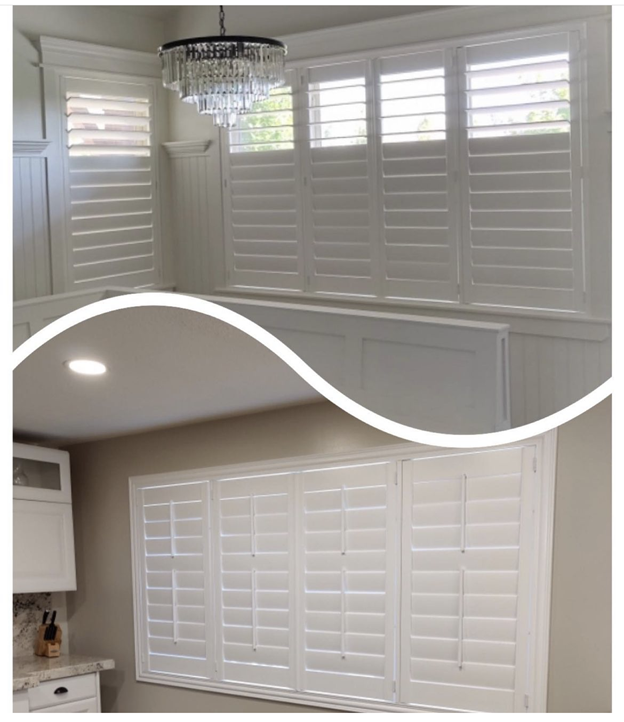
If your space demands maximum control over both light and view, slatted treatments like shutters or blinds may be the ideal match. With adjustable louvers, you can fine-tune how much daylight you allow in and how much visibility you give out. For example: you might open the louvers to allow light but angle them upward to block external sightlines.
These treatments tend to offer:
- Excellent day-to-night flexibility
- Strong aesthetic presence and design value
- Proven durability and functional reliability
They are particularly suitable when you want a classic, architectural look while maintaining performance. Because the louvers are adjustable, you can stop glare without sacrificing the daylight feel. Transitioning between open, filtered, and closed is smoother than many shade systems.
Final Thoughts: Bright Spaces, Tailored Privacy
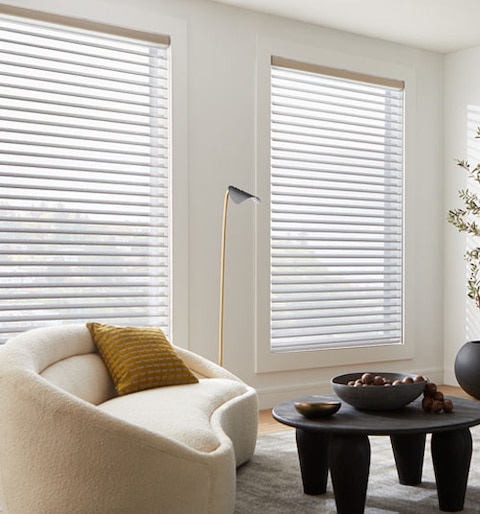
Choosing the right window treatment for privacy without losing natural light is less about compromise and more about smart selection. From light-filtering fabrics to solar screens, layering techniques to adjustable slats, the options let you design a space that remains bright and inviting while preserving your privacy.
Remember:
- Identify your daylight vs visibility needs by room and window orientation
- Match opacity or openness levels to your specific privacy goals
- Consider mechanisms and layering to adapt for day and night
Bright, welcoming spaces don’t have to feel exposed—and with the right treatment strategy, you can embrace sunshine and seclusion in equal measure.
Setting Yourself Up for the Right Decision
By understanding the interplay between light, privacy, and window treatment design, you’ll be able to confidently select solutions that work for your lifestyle. Whether you face a busy street, want to let the morning sun in without being seen, or simply want a room that feels open yet secure, the choices exist—and they’re more elegant and flexible than ever.
Which room in your home deserves a treatment upgrade first—and what’s your ideal blend of sunlight and seclusion?
Some blogs are written by authorized members of our marketing team for marketing purposes only. Some content may not correctly depict product specifications and may vary depending on the product. For more information, please call our sales office.