How to Clean Wood & Poly Shutters and Why It’s Crucial
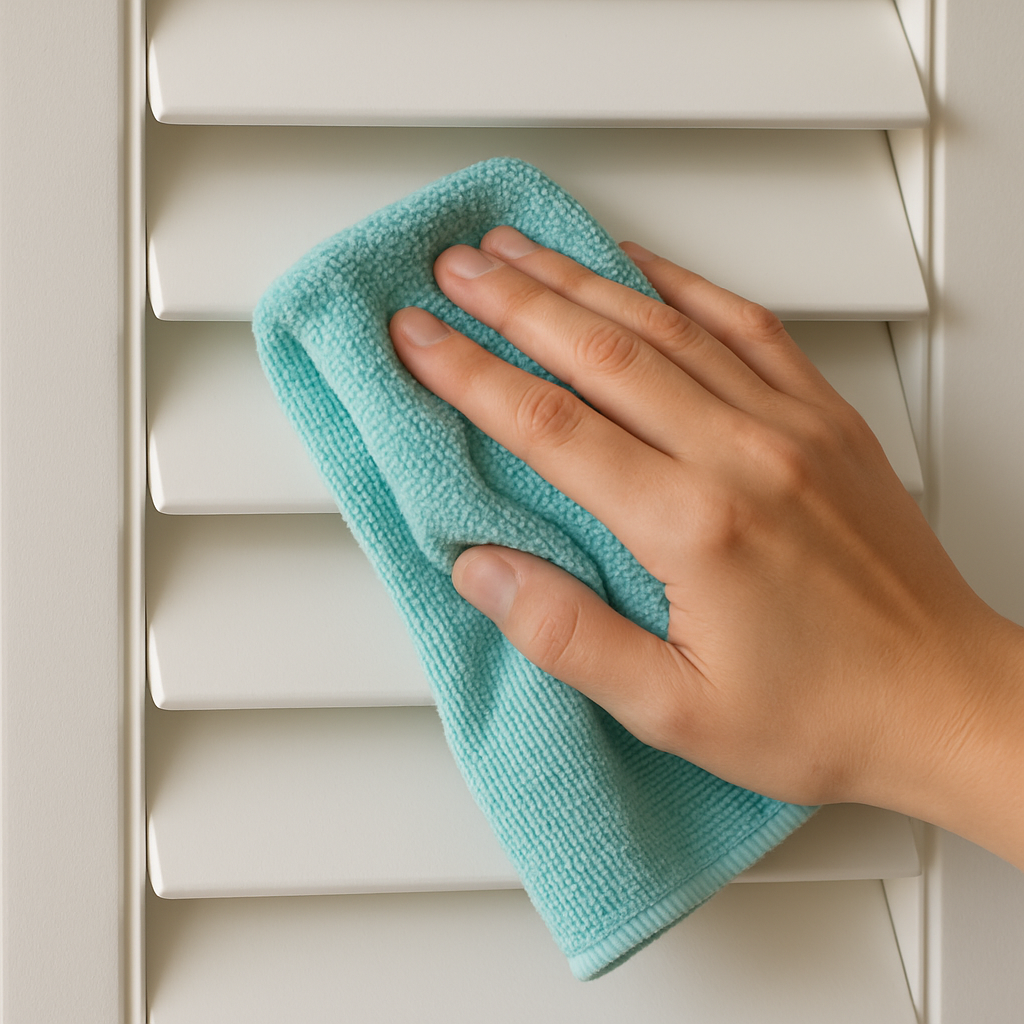
There’s something oddly satisfying about a clean set of shutters—like pressing a reset button for your windows. But when grime builds up on wood or poly surfaces, that fresh and polished look quickly fades. Worse, dirty shutters don’t just look bad—they can wear out faster, warp, or even become a sneaky source of indoor allergens.
The truth is, shutter cleaning isn’t just about appearances. Whether you’ve invested in durable poly shutters or elegant wood ones, routine maintenance protects your home’s air quality and your wallet. Over time, layers of dust, pet dander, and even oily residues from hands or cooking can take a toll on these surfaces.
Still, many homeowners either forget or aren’t sure how to clean their shutters the right way. The good news? With the proper tools and a little know-how, maintaining your shutters becomes quick, easy, and surprisingly satisfying. Let’s get into what really makes a difference.
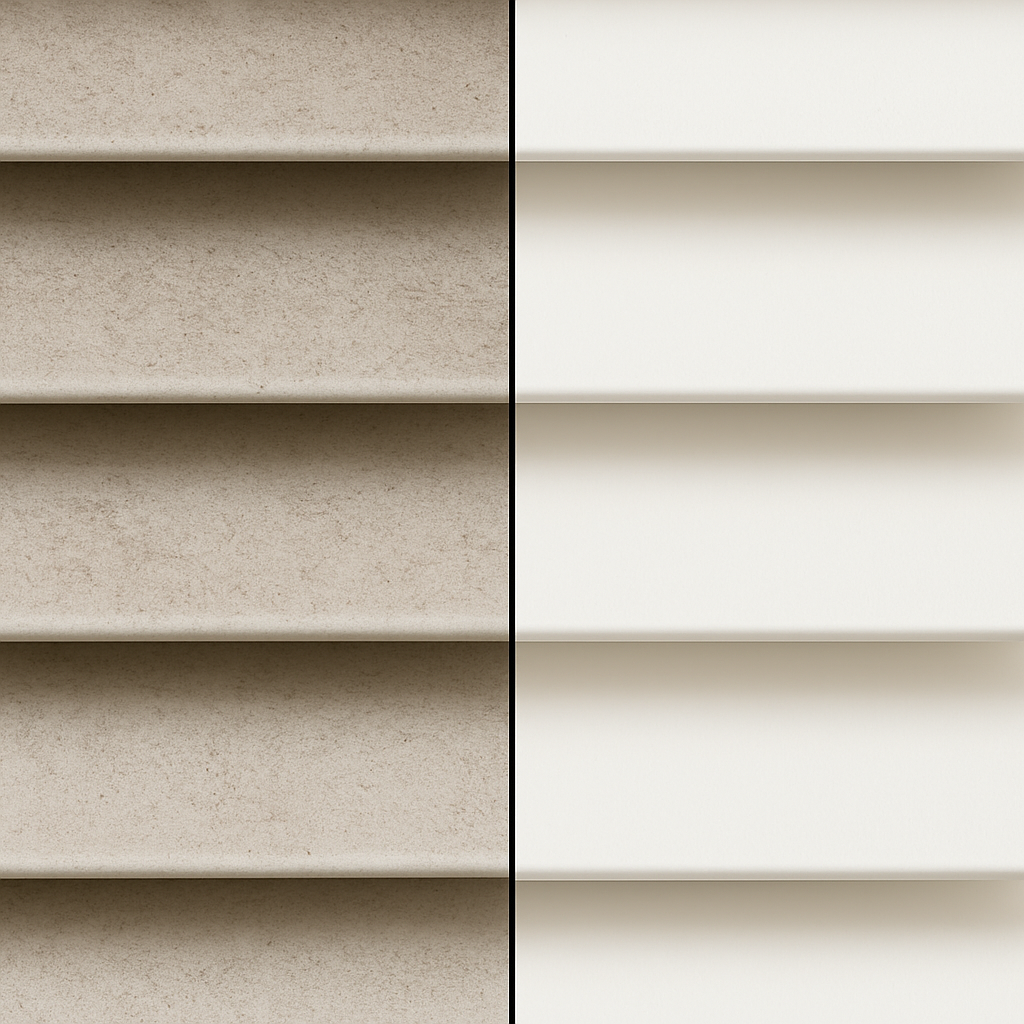
Why Cleaning Shutters Matters More Than You Think
Letting dirt and dust collect on shutters does more harm than simply dulling their finish. Shutters—especially those with wide louvers—attract airborne particles like magnets. And they’re usually in areas with heavy traffic like kitchens, living rooms, and bedrooms.
According to the EPA, indoor air can be up to five times more polluted than outdoor air. Dust, pollen, and skin particles trapped on unclean shutters can re-enter the air when disturbed. This can aggravate allergies, asthma, or simply make your home feel less fresh.
For wood shutters in particular, excess grime or moisture can seep into the material over time, causing warping, discoloration, or even mold if left unchecked. Poly shutters, while moisture-resistant, can still stain or degrade faster if neglected.
Tools & Cleaners: What’s Safe and What’s Not
Every surface needs the right care. Using the wrong cleaner could strip finishes, dull the surface, or cause buildup that attracts more dirt. Here’s what to use—and avoid.
For Wood Shutters:
- Soft microfiber cloth or feather duster
- Vacuum cleaner with a brush attachment
- Mild wood cleaner or diluted dish soap
- Never use: abrasive pads, bleach, or alcohol-based cleaners
For Poly Shutters:
- Damp cloth or sponge
- Non-abrasive multipurpose cleaner (ammonia-free)
- Optional: vinegar-water solution (1:4 ratio)
- Never use: scouring pads, acetone, or harsh degreasers
🧼 Pro Tip: Always dry your shutters after cleaning—especially wood—to prevent water damage or streaking.
Cleaning Frequency: Timing is Everything
How often should you clean your shutters? It depends on your environment and how much daily activity your windows face.
| Environment | Recommended Cleaning Frequency |
| High-traffic homes | Every 2 weeks |
| Pet-friendly homes | Weekly |
| Kitchen/living spaces | Bi-weekly |
| Low-use areas | Monthly |
Skipping too many cleaning sessions? You may be shortening the lifespan of your shutters by several years—especially with wood, which is more sensitive to buildup.
Quick Step-by-Step: Wood Shutters
1. Dust First
Use a microfiber cloth or vacuum with a brush to remove surface dust. Start from the top and work your way down to avoid spreading dust.
2. Spot Clean
Dampen a cloth with water and mild wood cleaner. Test in a small area first. Gently wipe each louver and frame, paying attention to corners.
3. Dry Immediately
Wipe with a clean, dry towel to prevent moisture from soaking into the wood.
📌 Note: Never spray cleaner directly onto wood; apply it to the cloth instead.
Quick Step-by-Step: Poly Shutters
Unlike wood, poly shutters are more forgiving—but still benefit from care.
1. Dust or Vacuum
Use a duster or vacuum to pick up surface debris. You can also use compressed air for hard-to-reach corners.
2. Wipe Down
Mix water and a small amount of dish soap or white vinegar. Use a soft sponge to gently scrub the louvers and frames.
3. Rinse and Dry
Go over the shutters again with a clean damp cloth to remove any residue. Finish by drying with a towel.
📊 Fun Fact: Poly shutters can reflect up to 25% more light when clean, improving brightness and reducing indoor heat.
What Happens When You Don’t Clean Them?
Neglecting your shutters doesn’t just impact air quality—it can cost you. Home maintenance experts estimate that neglected shutters can lose 20–30% of their expected lifespan when not cleaned regularly.
Common issues from lack of cleaning:
- Discoloration or staining
- Louvers sticking due to debris
- Warping from moisture or residue buildup
- Allergens accumulating on shutter surfaces
These problems are avoidable with just a few minutes of care each month.
Seasonal Cleaning Tip: Deep Clean with the Weather
Every spring and fall, make time for a more thorough cleaning. Use the change in seasons as a reminder. That includes:
- Removing shutters (if possible) for full wipe-downs
- Tightening any loose hardware
- Re-oiling or treating wood shutters (if required)
This habit keeps your shutters performing and looking their best year-round.
Final Thoughts: Clean Shutters, Healthier Home
The difference between dirty and clean shutters isn’t just visual—it’s environmental. Cleaner shutters mean fewer allergens, better light, and longer-lasting materials.
Don’t let grime quietly eat away at your investment. A few minutes each week can help maintain your shutters’ beauty, function, and longevity. It might even become your new favorite cleaning ritual.
When was the last time your shutters had a fresh start?
Some blogs are written by authorized members of our marketing team for marketing purposes only. Some content may not correctly depict product specifications and may vary depending on the product. For more information, please call our sales office.